Huye District, Rwanda | 26–27 August 2026
A safe workplace is more than just a set of rules and policies. It is an environment where every individual can work with dignity, speak up without fear, and feel fully respected and protected from violence, harassment, and discrimination.
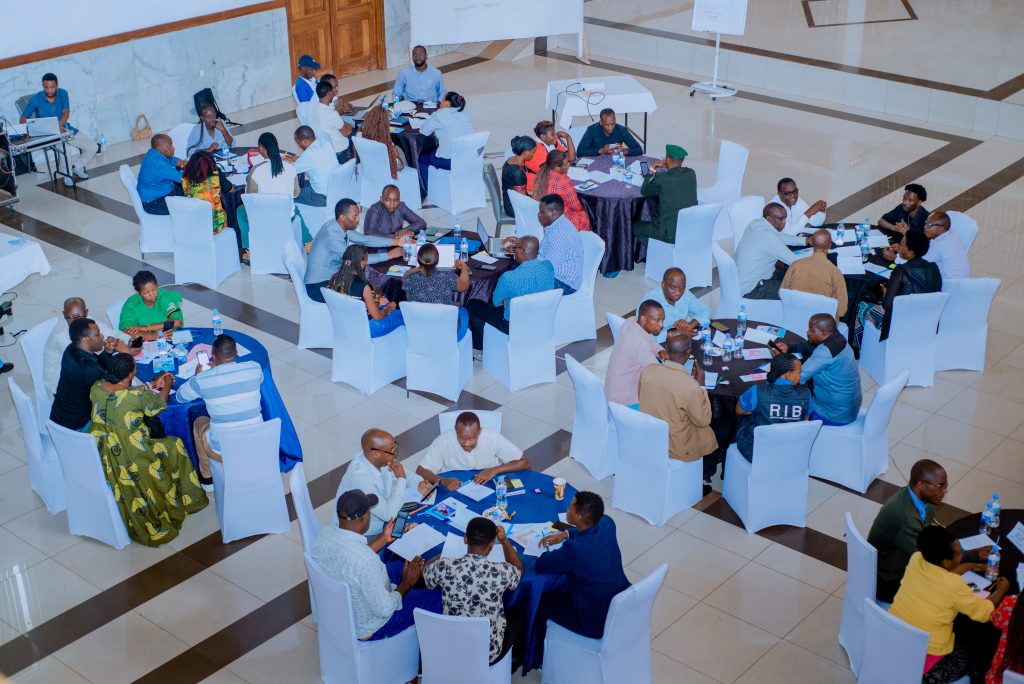
This foundational belief was the driving force behind a two-day stakeholder training on ILO Convention No. 190 (C190), organized by the Thriving Inclusive Community Organization (TICO). Held at the CREDO Hotel in Huye District on 26–27 August 2026, the workshop was made possible with support from the Embassy of Canada in Rwanda and GIZ Rwanda.
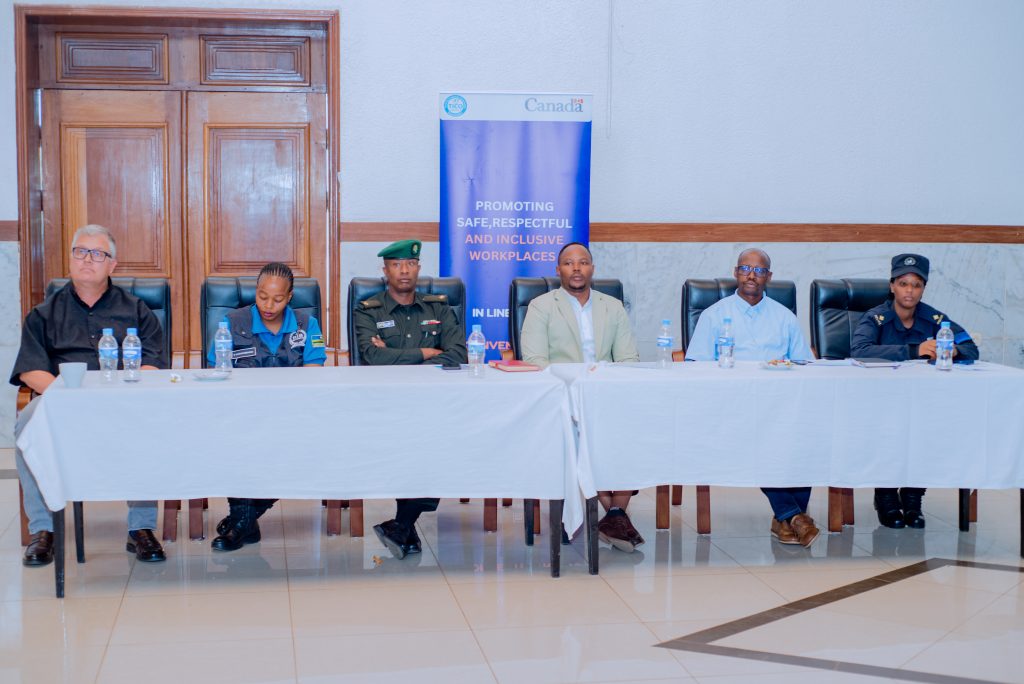
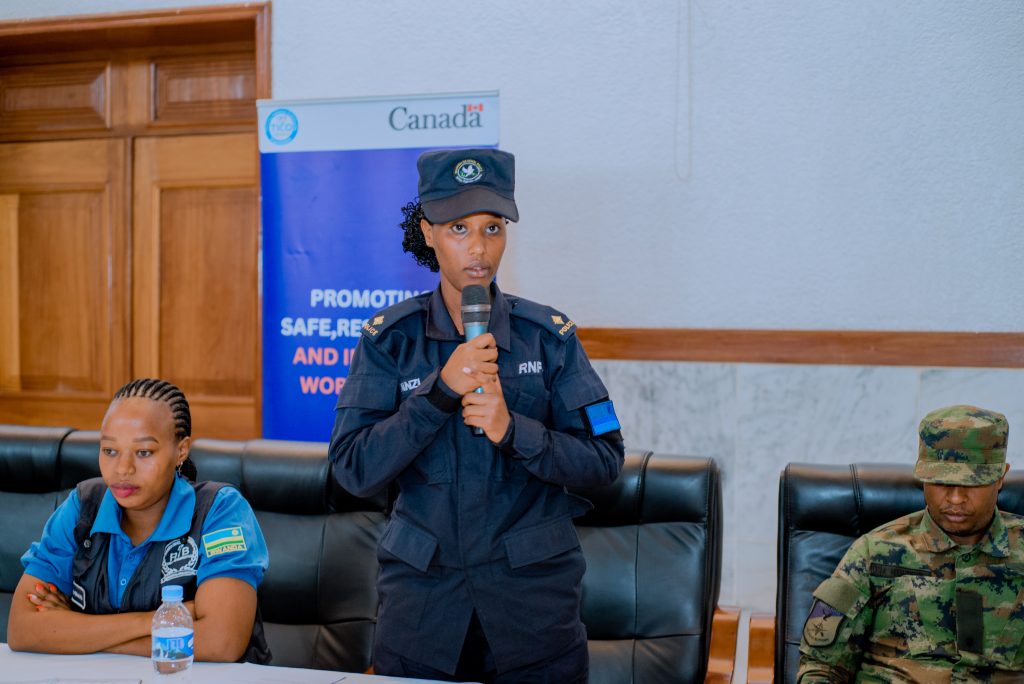
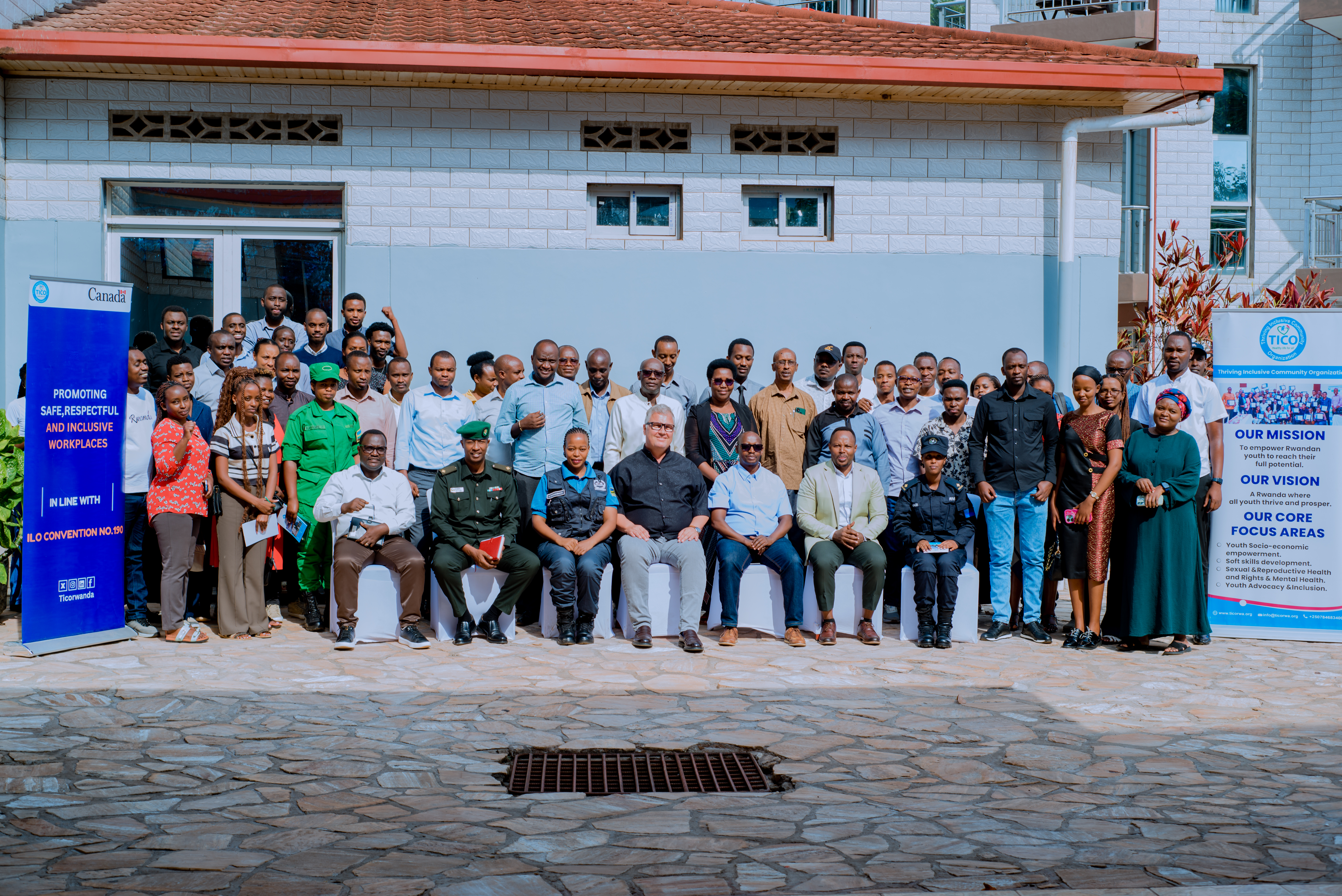
The training successfully brought together 50 stakeholders from diverse sectors including district leadership, labour inspectors, Chief Executive Officers, human resource professionals, managing directors, security organs (Rwanda Defense Force, Rwanda National Police and Rwanda Investigation Bureau), civil society organizations, Head Teachers, University Students Representatives, the Private Sector Federation (PSF), and Social media influencers, to deepen their understanding of workplace violence and identify practical, actionable ways to foster safer, more inclusive work environments.
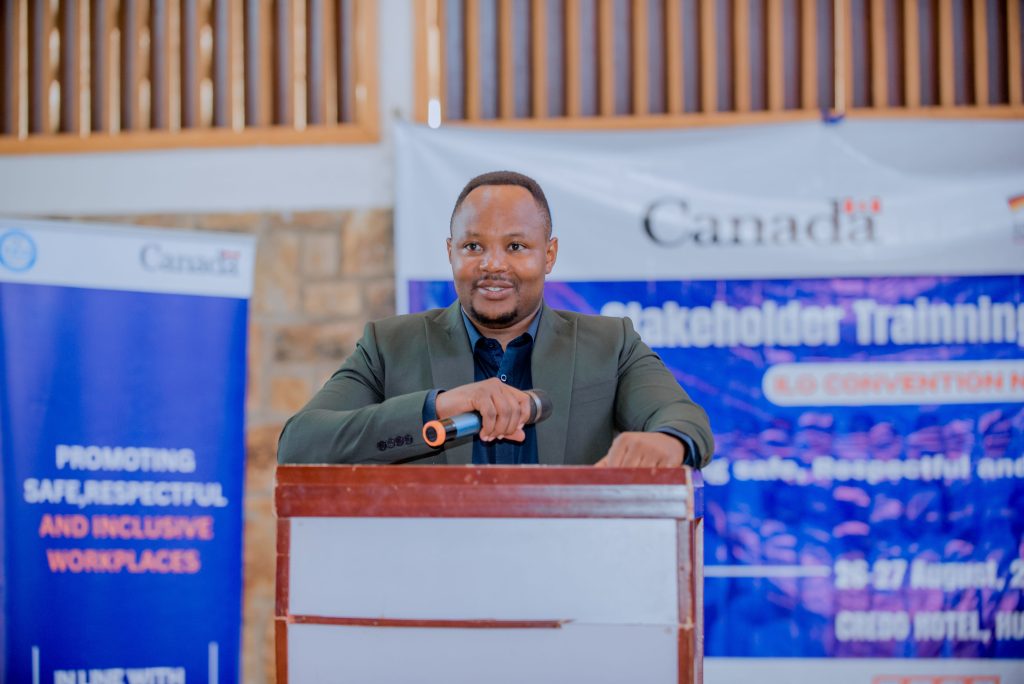
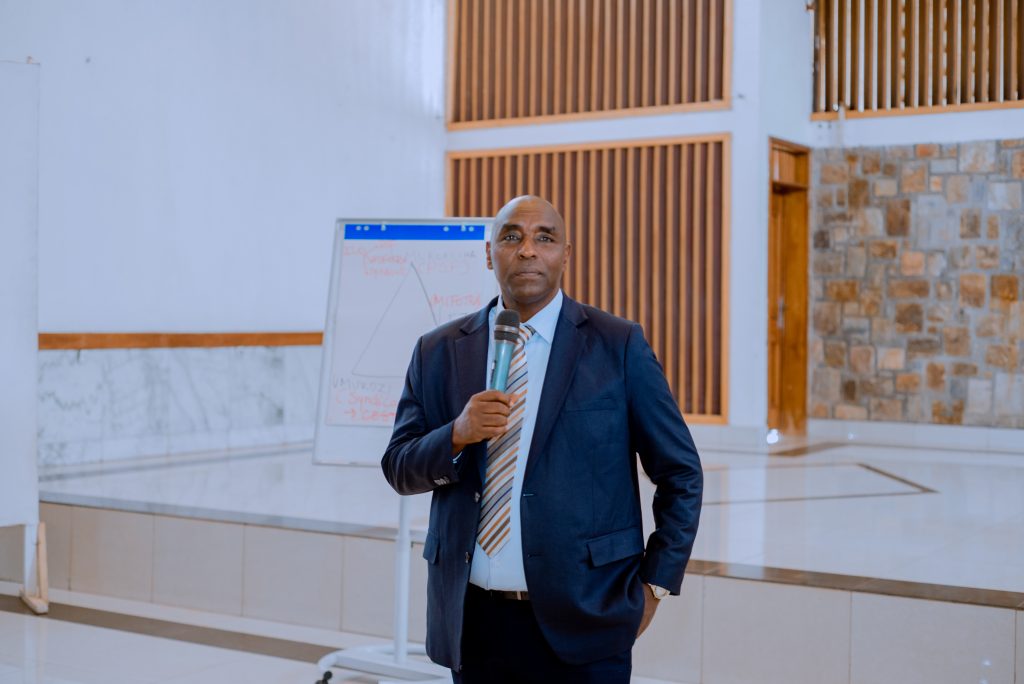
The training opened with a strong call to action. In his opening remarks, TICO’s Executive Director, Mr. Egide Habinshuti, welcomed the participants and the Vice Mayor in charge of Social Affairs of Huye District. He emphasized that preventing workplace harassment requires a united front, urging stakeholders to actively share their experiences and translate the two-day training into tangible changes within their institutions.
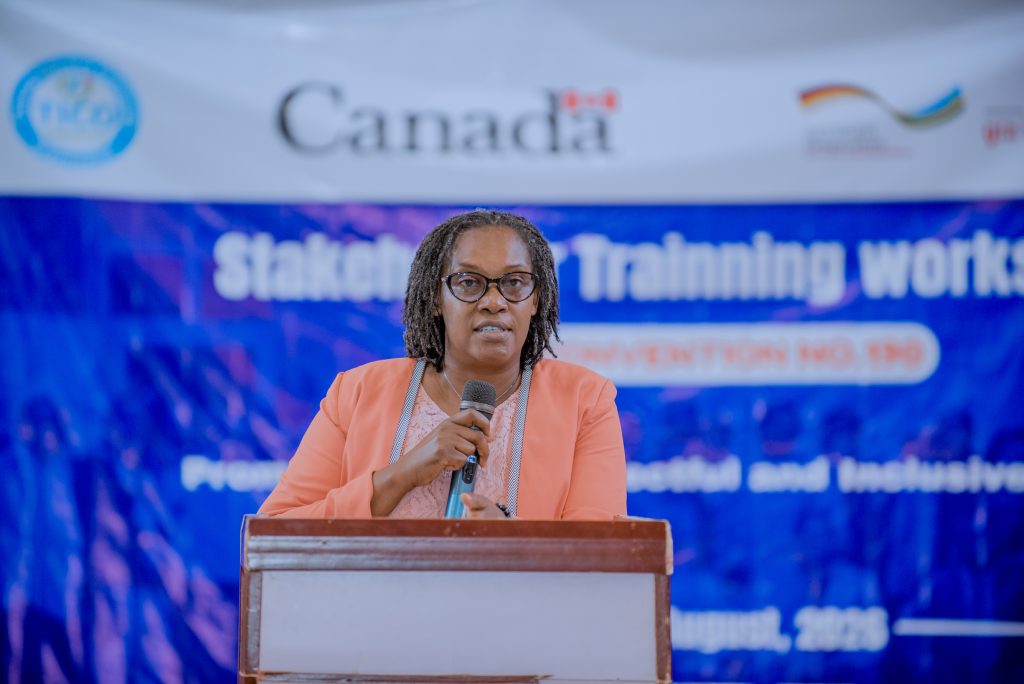
The event was officially opened by Annociatha Kankesha, Vice Mayor in charge of Social Affairs of Huye District. Her presence and active participation underscored a vital reality, implementing C190 requires strong local leadership and shared responsibility. She encouraged all attendees to engage deeply and contribute to the vital discussions ahead.
Participants explored the purpose, principles, and scope of ILO Convention No. 190 the first international labour standard specifically addressing violence and harassment in the world of work. To connect the Convention to real-world workplace situations, the sessions utilized interactive case studies, group discussions, scenarios, and role-playing.
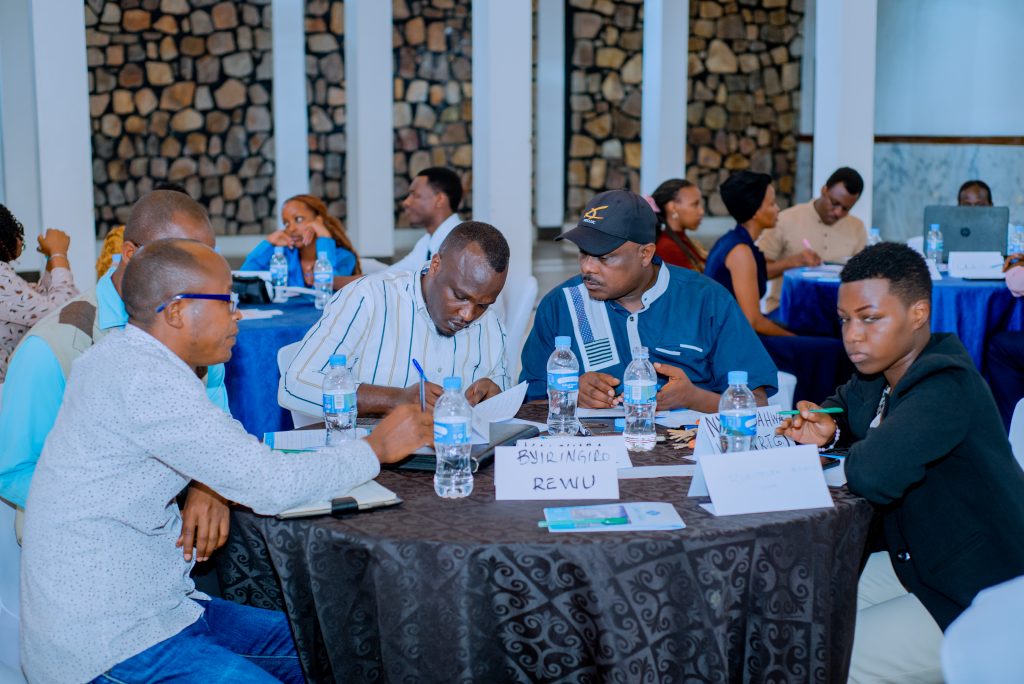
Discussions highlighted the critical need for comprehensive workplace policies, active awareness campaigns, risk identification, and unwavering leadership commitment. Importantly, the group tackled the systemic barriers that prevent victims from speaking out—such as the fear of retaliation, social stigma, and uncertainty about how to report incidents. Participants emphasized the urgent need to build trusted reporting systems that empower workers to safely raise concerns and access necessary support.
The second day of the workshop was enriched by the participation of Hans Bretschneider, Program Director at GIZ Rwanda. His engagement encouraged dynamic, practical discussions and experience-sharing, reflecting the growing, impactful partnership between TICO and GIZ Rwanda in promoting inclusive, sustainable, and decent work.
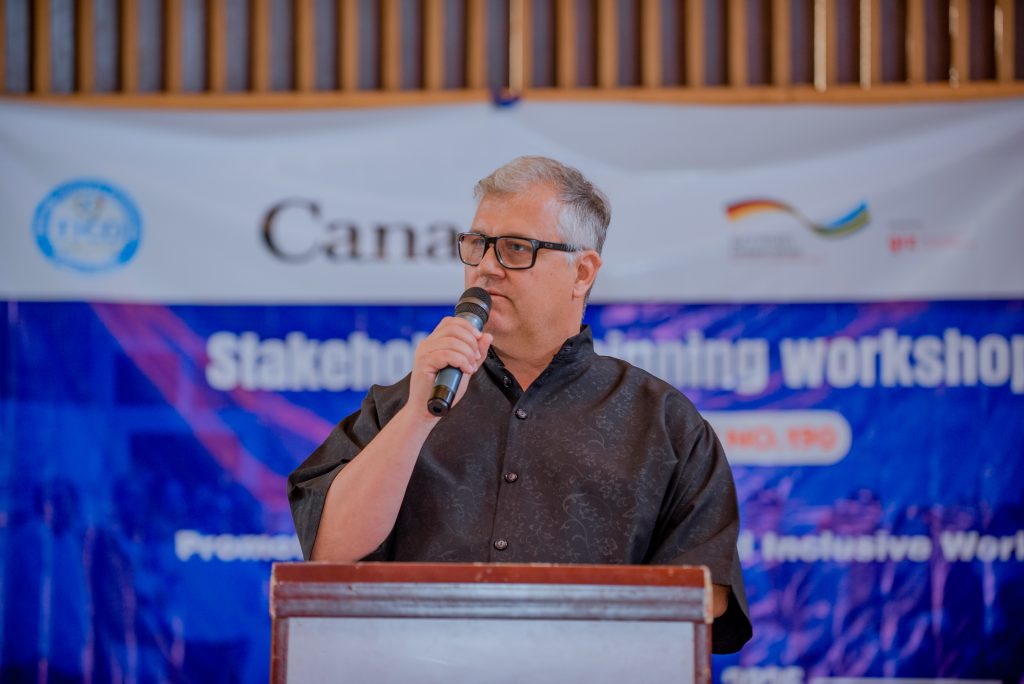
By the end of the workshop, participants had moved from discussion to action, outlining clear stakeholder roles and developing practical workplace action plans to take back to their respective organizations.
The workshop was officially closed by Mr. André Kamana, Vice Mayor in charge of Economic Development of Huye District. He praised the high level of engagement from all stakeholders and urged them to actively apply the knowledge they had gained within their own institutions. He also emphasized that the success of these initiatives relies on continued, tight-knit collaboration among local authorities, employers, workers, civil society, and development partners.
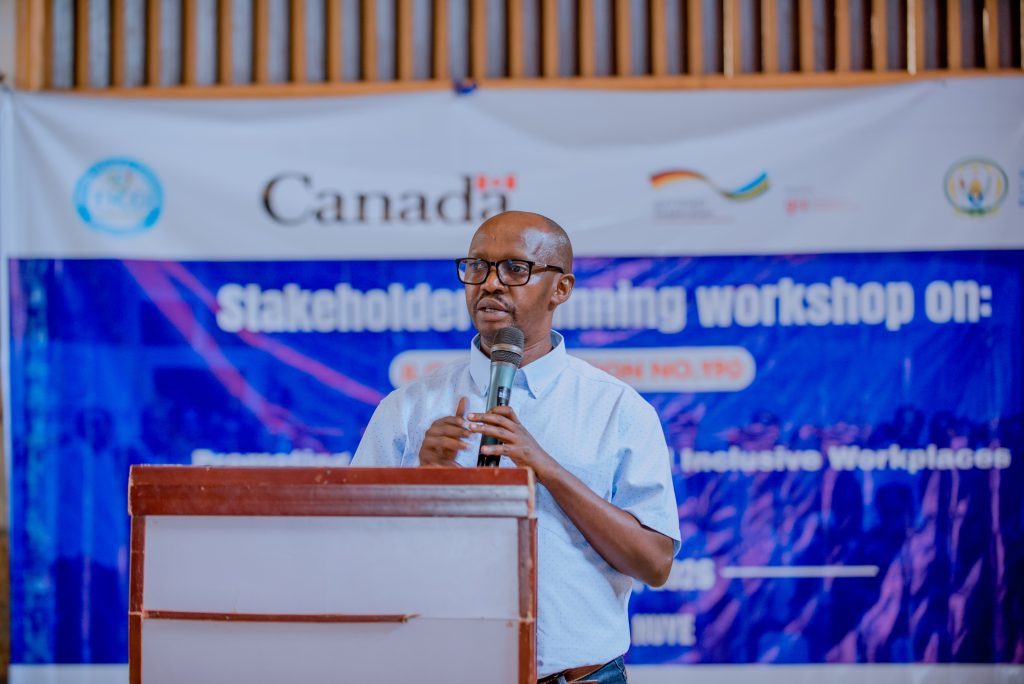
"Safe workplaces are not created by one institution. They are built together."
For TICO, this workshop is a crucial step in our broader, ongoing commitment to championing inclusive decent work and safer workplaces, particularly for young people and vulnerable groups. The two days in Huye provided an invaluable space for shared learning, open dialogue, and practical planning—strengthening a collective commitment to turn the principles of ILO Convention No. 190 into an everyday reality for workers across Rwanda.